General

Stylish Radiator Cover Ideas for Small Irish Homes

Irish homes, particularly older terraces and semi detached houses, are known for cosy layouts and compact rooms. While that brings warmth and character, it can also make visible radiators feel more intrusive than they need to be.

Radiator covers have become increasingly popular not just for safety, but for design reasons. In smaller spaces especially, they can help create a cleaner, more intentional look.

One of the most common styles seen in Irish interiors is the classic shaker panel. Simple vertical slats or a geometric grille give structure without overpowering the room. Painted in white or a soft neutral tone, these covers blend naturally into hallways and sitting rooms.

Design inspiration platforms like Houzz show how radiator covers are often styled as subtle furniture pieces rather than functional add ons. A narrow shelf on top can hold framed photos, candles or seasonal décor, turning what was once an awkward wall feature into a focal point.

For smaller hallways, slimline radiator covers can double as console tables. In many Irish homes where entrance space is tight, this extra surface area is surprisingly useful for keys, post or decorative touches.

Another growing trend is colour matching. Instead of default white, some homeowners paint radiator covers the same colour as the wall behind them. This helps the cover disappear visually, creating a seamless look. Soft greys, sage greens and muted blues are particularly popular in modern Irish renovations.

In living rooms, symmetry plays an important role. If a radiator sits beneath a window, a well fitted cover can balance the space visually, especially when paired with curtains or built in shelving nearby.

Safety is another quiet advantage. Families with young children often appreciate the added barrier between small hands and hot metal surfaces. While radiators are generally safe, the smoother wooden exterior of a cover reduces sharp edges and direct contact.

Material choice matters too. Solid MDF or hardwood finishes tend to offer a sturdier feel than lightweight flat pack versions. In Ireland’s fluctuating winter humidity, durability is important to avoid warping or expansion.

When choosing a design, it is worth measuring carefully. The cover should extend slightly beyond the radiator on all sides to allow airflow. Ventilation panels are essential, even in the most decorative designs.

Ultimately, radiator covers in small Irish homes are less about hiding something unattractive and more about refining the overall look of a space. They offer a subtle blend of function and design that suits the practical nature of Irish interiors.

In many ways, they reflect a broader trend in home improvement across Ireland. Rather than dramatic renovations, homeowners are opting for thoughtful upgrades that improve comfort while enhancing everyday living.

Stylish Radiator Cover Ideas for Small Irish Homes Read More »

Do Radiator Covers Affect Heat Output in Irish Homes?

When considering a radiator cover, the first concern most Irish homeowners raise is simple enough: will it make the room colder?

Given the cost of heating in Ireland over the past few years, it’s a fair question. No one wants to invest in a decorative upgrade only to reduce warmth during a damp January evening.

The short answer is that a properly fitted radiator cover should not significantly reduce heat output in a standard Irish home. The longer answer depends on how heat works and how the cover is designed.

Radiators heat a room in two main ways. First, warm air rises from the unit and circulates around the room. Second, heat radiates outward from the metal surface itself. A good quality radiator cover allows for airflow through a slatted or grille front panel, ensuring that warm air can still escape and rise naturally.

The key factor is ventilation.

If a cover is too tight around the radiator or has a fully solid front panel, it can restrict airflow. However, most modern designs include perforated panels or horizontal slats specifically to prevent this issue.

Energy guidance bodies such as the Sustainable Energy Authority of Ireland emphasise that insulation and draught proofing play a far greater role in heat retention than cosmetic additions. In older Irish homes especially, addressing attic insulation or sealing gaps around doors will have a much more noticeable impact on warmth than installing a well designed cover.

There is also an interesting point about reflective panels. The Energy Saving Trust has highlighted that placing reflective foil behind a radiator can reduce heat loss through external walls. Many homeowners combine radiator covers with reflective backing to ensure heat is directed back into the room rather than absorbed into brickwork.

In practice, most people who install radiator covers do not report a measurable drop in room temperature. What they often notice instead is a more finished look and a slightly more diffused warmth, rather than direct intense heat from exposed metal.

Room size matters too. In very small box rooms, airflow is already limited, so proper spacing around the radiator is important. In larger sitting rooms or hallways, a cover is unlikely to make any meaningful difference to comfort levels.

If maximum efficiency is the goal, ensure the cover:

• Sits slightly wider and taller than the radiator
• Has a ventilated front panel
• Allows space at the top for warm air to rise

Ultimately, in a typical Irish semi detached or terrace house, radiator covers are unlikely to be the deciding factor in heating performance. Insulation quality, boiler efficiency and thermostat control will have far more influence over your comfort during winter.

For most households, it becomes less about heat loss and more about aesthetics, safety and making better use of space.

Do Radiator Covers Affect Heat Output in Irish Homes? Read More »

home heating and energy

Are Radiator Covers a Good Idea in Irish Homes?

If you’ve ever stood in a chilly Irish sitting room waiting for the heating to kick in, you’ll know how important radiators are to everyday comfort. But while they do a great job of warming a space, they are not always the most attractive feature in a home. Older metal radiators can look bulky, dated or simply out of place in an otherwise well styled room.

That’s where radiator covers come in.

In recent years, more homeowners across Ireland have started using radiator covers not just as a decorative upgrade, but as a practical addition to their homes. The key question people often ask is whether they affect heat output, and if they are actually worth installing.

Do Radiator Covers Reduce Heat?

This is probably the biggest concern. In simple terms, a well designed radiator cover should not dramatically reduce heat in a room. Heat from a radiator is released in two main ways: convection (warm air rising) and radiation (heat emitted directly outward). A good cover allows air to circulate through a grille or slatted front panel, helping warm air move into the room rather than trapping it.

According to guidance from the Sustainable Energy Authority of Ireland, improving heat efficiency in Irish homes is often more about insulation and draft proofing than small cosmetic changes. In other words, if your home is properly insulated, a quality radiator cover is unlikely to cause noticeable heat loss.

In fact, some studies referenced by the Energy Saving Trust suggest that placing reflective foil behind a radiator can improve efficiency by directing heat back into the room. Many homeowners pair radiator covers with reflective panels for this reason.

Why They Make Sense in Irish Homes

Irish homes according to radiatorfurniture.ie, particularly older builds, often have narrow hallways, compact living rooms and visible pipework. Radiator covers can help soften the look of a space while also making it safer.

For families with young children, covers provide a protective barrier against hot surfaces and sharp radiator edges. While modern radiators are generally safe, they can still become very hot during winter months. A sturdy wooden cover reduces direct contact and can give peace of mind.

They also serve a practical purpose. Many designs include a shelf on top, which can be used for décor, storage baskets or even extra surface space in smaller rooms. In tighter Irish terraces or semi detached houses where every bit of storage matters, that additional flat surface can be surprisingly useful.

Style and Interior Appeal

From a design perspective, radiator covers have evolved far beyond the plain white box. Today, you’ll see shaker style fronts, modern slatted designs, painted finishes and even bespoke options to match skirting boards or cabinetry.

They can help create a more built in look, particularly in hallways where a radiator might otherwise interrupt the flow of the space. Interior designers often use them to balance a room visually, especially when symmetry is important around windows or fireplaces.

If you browse inspiration boards on sites like Houzz, you’ll notice radiator covers frequently featured in Irish and UK home renovations. They are often painted the same colour as the wall to blend seamlessly into the background.

Choosing the Right One

The key is fit and airflow. A cover should be slightly larger than the radiator itself, allowing space for air to circulate. The front grille design matters too. A fully solid front panel is not ideal, but a slatted or perforated section allows warm air to rise and escape.

Quality materials are also important. Solid MDF or hardwood constructions tend to be more durable and stable, especially in Irish homes where temperature and humidity can fluctuate during winter.

As with most home improvements, it’s about balance. If your priority is maximum heat output in a very cold room, you may want to assess insulation first. But if you are looking to improve the appearance of your space while maintaining warmth, a well designed radiator cover can be a smart, affordable upgrade.


In many Irish homes, they are less about hiding something unattractive and more about finishing a room properly.

Are Radiator Covers a Good Idea in Irish Homes? Read More »

Walking as a Creative Ritual: How Music and Movement Unlock Better Thinking

Some of the best ideas don’t arrive when we’re sitting still. They arrive mid-walk. Mid-song. Mid-thought.

There’s a long history of writers, musicians, and entrepreneurs using walking as a thinking tool. Movement stimulates circulation, clears mental clutter, and creates a subtle rhythm that supports creative flow.

Add music into the mix, and something interesting happens.

The repetitive motion of walking combined with the emotional depth of music creates a state somewhere between focus and daydreaming. It’s structured enough to keep you moving, but relaxed enough to let ideas surface.

Why Walking Improves Mental Clarity

Walking increases blood flow to the brain. Even at a gentle pace, it stimulates cognitive function. But the real benefit isn’t intensity — it’s rhythm.

Repetitive, low-impact movement gives your brain space to wander productively. You’re not overstimulated. You’re not sedentary. You’re simply moving forward.

Many people find that walking while listening to instrumental music works especially well. Without lyrics competing for attention, your mind can roam more freely.

The Role of Emotion in Creativity

Music is emotional. Certain songs unlock memories, feelings, or motivation that sitting quietly rarely does.

When paired with walking, those emotional cues feel amplified. You might revisit an old album and suddenly see a current problem differently. A familiar melody can spark clarity in unexpected ways.

Even something as simple as listening to a live concert recording can shift your energy. There’s movement in the crowd noise. Momentum in the build-up. You feel carried forward.

That sensation mirrors walking itself.

Walking Breaks vs Scrolling Breaks

Modern breaks often involve screens. Social feeds. Short videos. Endless content loops.

But those types of breaks don’t restore mental clarity — they fragment it.

Walking with music is different. It’s active but calming. Stimulating but grounding. Instead of absorbing endless input, you’re pairing a controlled soundtrack with physical movement.

That combination feels surprisingly restorative.

Creating a Daily Movement Window

You don’t need a dramatic setup to benefit from this habit.

Try:

  • A 20-minute walk after lunch with a favourite album

  • A morning instrumental playlist to start the day

  • An evening wind-down walk with calmer tracks

The goal isn’t to hit peak performance. It’s to create a small, repeatable ritual.

Many people find that ideas surface during these sessions — solutions to problems, clarity around decisions, creative inspiration. Sometimes it’s not about productivity at all. It’s just about perspective.

Movement That Feeds Momentum

There’s symbolism in walking while listening to music. You’re physically moving forward while emotionally engaging with sound.

It feels progressive. Intentional. Grounded.

And unlike intense workouts, gentle walking doesn’t drain your mental energy. It supports it.

Music and movement together create momentum — not just physically, but mentally.

Press play. Take a few steps. Let the rhythm guide you.

You might be surprised what ideas show up along the way.

Walking as a Creative Ritual: How Music and Movement Unlock Better Thinking Read More »

The Perfect Walking Playlist: How to Match Music Tempo to Your Steps

There’s a reason certain songs make you want to move instantly. From the opening beat, your body reacts before your brain does. Your foot taps. Your shoulders sway. You pick up pace without even realising it.

When you’re walking — whether outdoors or indoors — music becomes more than background noise. It becomes a pacing tool.

Most people choose walking music based on mood, but tempo plays a much bigger role than we think. Tempo is measured in BPM (beats per minute), and it directly influences how fast or slow you move. When your steps sync with a song’s rhythm, walking feels smoother and more effortless.

Slow and Steady: 70–90 BPM

This tempo range is ideal for relaxed walking sessions. Acoustic tracks, mellow indie songs, or classic soft rock often sit here. It’s the perfect speed for:

  • Early morning movement

  • Light recovery days

  • Thinking walks

  • Casual step accumulation

The benefit of slower tempo tracks is that they reduce the feeling of “working out.” Walking becomes almost meditative. You’re not chasing pace — you’re simply moving.

The Sweet Spot: 100–120 BPM

This is where walking becomes energised but still sustainable.

Pop, dance, and upbeat alternative tracks typically fall into this range. If you’ve ever found yourself walking slightly faster when a favourite chorus kicks in, this is why.

This tempo works particularly well if you’re walking while working at a desk. It keeps your energy steady without feeling distracting. It’s also great for structured walking sessions where you want a consistent pace without overexerting.

Higher Energy: 120+ BPM

If you’re aiming for a brisk walk, this range is motivating. House music, electronic tracks, and certain hip-hop beats push you forward naturally.

It’s amazing how quickly a faster tempo can change your mindset. What felt like a slow afternoon suddenly turns into a focused, productive burst of movement.

The key is balance. High BPM tracks are great in short blocks — maybe one or two songs to lift your pace — but mixing them with mid-range tracks makes the experience more sustainable.

Album Walking vs Playlist Walking

Some people prefer curated playlists. Others prefer listening to full albums start to finish.

Walking through an entire album has its own rhythm. There’s something satisfying about finishing a record while finishing a walk. The structure of the music guides the structure of your movement.

Playlists, on the other hand, give you flexibility. You can build themed sessions:

  • 2000s throwbacks

  • Instrumental focus tracks

  • Film soundtracks

  • Chill electronic

  • Classic rock hits

The beauty of walking is that it doesn’t require high intensity. That means your music choices can be driven by enjoyment rather than adrenaline.

Why Music Makes Walking Feel Easier

Studies consistently show that music reduces perceived effort during exercise. When you’re listening to something you enjoy, your attention shifts away from fatigue.

Instead of focusing on time, you focus on the track.

Instead of counting minutes, you count songs.

That small mental shift can turn a 20-minute walk into a 45-minute session without strain.

Build Your Own “Walking Ritual”

Rather than thinking about steps or calories, think about sound.

Choose three songs to start.
Walk until the album finishes.
Or simply press play and see where it takes you.

When movement feels natural and enjoyable, consistency follows. And consistency — not intensity — is what makes walking powerful long term.

The Perfect Walking Playlist: How to Match Music Tempo to Your Steps Read More »

Walking to the Beat: Why Music and Movement Just Make Sense

There’s something timeless about walking with music in your ears. Whether it’s a slow Sunday morning stroll with an acoustic playlist or a high-energy weekday power walk fuelled by dance tracks, the rhythm naturally sets your pace. It’s no surprise that more people are bringing that same experience indoors with a walking pad — combining gentle movement with the motivational pull of their favourite songs.

Walking has always been one of the simplest ways to clear your head. Add music, and it becomes something else entirely. A three-minute song turns into a small milestone. An album becomes a full workout without you even realising it. Before you know it, you’ve walked a few thousand steps simply because you didn’t want to skip a track.

The Psychology of Rhythm and Movement

There’s real science behind why music makes walking feel easier. Humans naturally sync movement to rhythm — it’s why we tap our feet or nod our heads without thinking. When you walk to music, your stride often matches the tempo. A slower indie song might guide you into a relaxed, steady pace. A faster pop or house track nudges you forward with more energy.

This rhythmic synchronisation reduces perceived effort. In simple terms, walking feels easier when your body is following a beat. That’s one reason why so many runners and gym-goers rely on playlists. But you don’t need an intense workout to benefit. Even a gentle 4–5 km/h walk on a walking pad can feel surprisingly immersive when paired with the right soundtrack.

Turning Work Hours Into Album Time

One of the biggest appeals of a walking pad is how easily it fits into daily life. Positioned under a standing desk, it allows you to move while answering emails, taking calls, or listening to podcasts. Add music into that mix and something interesting happens — work blocks become music sessions.

Instead of sitting for three hours, you might decide to “walk for one album.” That small shift in mindset changes everything. You’re no longer forcing yourself to exercise; you’re simply enjoying music while your body moves naturally. The steps add up quietly in the background.

For people who struggle to find time for structured workouts, this approach feels less intimidating. There’s no pressure to “train.” You just press play and start walking.

Creating a Walking Playlist That Works

Not all playlists are created equal when it comes to walking. Tempo matters, but so does mood.

  • 60–90 BPM (beats per minute): Great for relaxed walking, warm-ups, or early mornings.

  • 100–120 BPM: Ideal for steady, purposeful movement.

  • 120+ BPM: Perfect when you want to pick up the pace and feel energised.

Some people prefer curated “walking mixes,” while others stick to favourite artists or nostalgic albums. There’s also something powerful about themed playlists — 90s throwbacks, film soundtracks, instrumental focus music, or even live concert recordings.

Instrumental or lo-fi playlists work particularly well if you’re using a walking pad while working. They create atmosphere without distracting lyrics.

The Emotional Side of Walking and Music

Music doesn’t just change pace — it changes emotion. A meaningful song can shift your mindset mid-walk. Stress melts away. Ideas surface. Problems feel lighter.

Many people find that walking while listening to music becomes a creative ritual. It’s common for writers, designers, and entrepreneurs to use gentle movement as a thinking tool. The repetitive motion of walking helps thoughts flow more freely. Pair that with music, and it becomes almost meditative.

There’s also nostalgia. Walking to an album you loved years ago can feel grounding. The rhythm is familiar. The lyrics come back effortlessly. You’re moving forward physically while revisiting memories emotionally.

Making It a Sustainable Habit

The best fitness habits are the ones you don’t dread. Walking pads are popular because they remove friction. No changing clothes. No gym commute. No complex setup. When music is part of the routine, it feels even more effortless. www.enniscronewalkingclub.ie  having walking pads include a playlist depending on which speed you want to walk at.

You might start with one song. Then another. Soon it becomes a daily ritual — a small pocket of movement in an otherwise sedentary day.

It doesn’t need to be intense. Consistency matters more than speed. Twenty or thirty minutes of relaxed walking to your favourite playlist can support both physical and mental wellbeing.

Movement That Feels Natural

Walking is something we’re designed to do. Music is something we’re wired to enjoy. Combine the two and it simply makes sense.

Whether you’re chasing step goals, easing into a more active routine, or just looking for a way to make desk hours feel less static, pairing a walking pad with the right soundtrack transforms the experience. It stops feeling like exercise and starts feeling like time well spent.

Press play. Start walking. Let the rhythm carry you.

Walking to the Beat: Why Music and Movement Just Make Sense Read More »

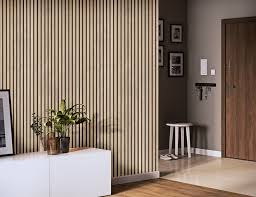
acoustic wall panel example

Why Acoustic Wall Panels Are the Unsung Hero of Home Interiors

When people think of home improvement, they often focus on big-ticket items like furniture, lighting, or paint. But one upgrade that quietly makes a massive difference — in both style and function — is acoustic wall panelling.

Whether you’re working from home, raising a young family, or just want a calmer, more refined space, acoustic panels are a clever and often underrated solution.


What Do Acoustic Panels Actually Do?

In short, they help reduce echo and control sound within a room. This is especially useful in modern homes with hard floors and minimal fabric — where voices tend to bounce around.

But acoustic panels aren’t just practical. Today’s designs are sleek, stylish, and visually impressive, often made from wood veneer or slatted MDF on a felt backing. They can easily double as a feature wall in living rooms, home offices, bedrooms, or hallways.


Where They Work Best

Here are a few spaces where acoustic wall panels shine:

  • Home offices: Improve sound clarity for video calls.

  • Living rooms: Reduce echo, especially with surround sound setups.

  • Hallways: Add character to long, empty walls.

  • Bedrooms: Create a warm, intimate feel behind the headboard.


Are They Expensive?

You might be surprised — they’re not as costly as they look. Some high-quality options start around £40–£60 per panel, and you don’t always need to cover a whole wall. Even a few panels can make a huge difference.

If you’re curious, there’s a great selection of acoustic wall panels available here from northernacoustics.ie that balance style and affordability really well.


Final Thoughts

Acoustic wall panels are one of those rare upgrades that improve both form and function. They look great, make your space sound better, and are surprisingly DIY-friendly. Whether you live in a city apartment or a rural home, they’re a smart addition worth considering.

Why Acoustic Wall Panels Are the Unsung Hero of Home Interiors Read More »

Why More Homeowners Are Choosing Polycarbonate Roofing Sheets

In recent years, more DIYers and property owners across the UK have been switching to polycarbonate roofing sheets for everything from garden sheds to carports and lean-to extensions. It’s not just a trend — it’s a smart, cost-effective move that makes sense for a wide range of roofing projects.

What Are Polycarbonate Sheets?

Polycarbonate is a strong, lightweight plastic that’s incredibly tough for its weight. It’s often used as a substitute for glass thanks to its clarity, UV resistance, and impact strength. Unlike traditional roofing materials, polycarbonate roofing sheets are easy to cut, install, and maintain.

3 Reasons to Use Polycarbonate Roof Panels

  1. Durability – Polycarbonate sheets can withstand harsh weather, from hail to heavy rain. They won’t crack or warp easily.

  2. Light Transmission – Ideal for greenhouses and patio roofs, these sheets let in natural light while blocking harmful UV rays.

  3. Affordability – Compared to glass or metal roofing, they’re significantly cheaper and easier to work with — especially for DIY projects.

Common Uses Around the Home

  • Greenhouses

  • Covered patios

  • Carports

  • Garden sheds

  • DIY pergolas or verandas

Whether you’re upgrading your outdoor space or planning a small building project, lightweight roof panels like polycarbonate sheets are an ideal choice. Radiator covers are also a great way to transform smaller spaces like this.

Where to Buy Quality Polycarbonate Roofing Sheets

There are several places online to find polycarbonate sheets, but it’s important to go with a supplier who offers good value, fast UK delivery, and a range of sizes. We recently came across this site which is beginning to make waves in the industry. Worth a look if you’re sourcing materials for a project.

Why More Homeowners Are Choosing Polycarbonate Roofing Sheets Read More »

The Power of Workout Music: How It Can Boost Your Performance

Music has an undeniable influence on our emotions, mood, and energy levels. Whether you’re going for a run, lifting weights, or sweating it out in a high-intensity interval training (HIIT) class, the right soundtrack can elevate your workout to new heights. In this post, we’ll explore how workout music impacts your performance, motivation, and endurance, and we’ll also dive into a new fitness innovation—music boxing machines—that takes workout music to the next level.

Why Music is a Game-Changer for Your Workout

1. Increases Motivation and Focus

The biggest challenge during any workout is staying motivated from start to finish. Studies have shown that upbeat, fast-paced music stimulates areas of the brain that are involved in movement, making it easier to push through tough exercises. A well-timed, energetic song can give you the mental boost you need to keep going, helping you focus on your movements and form.

Imagine hitting that final sprint on the treadmill while listening to your favorite high-tempo track—suddenly, you’re not thinking about fatigue, just the rhythm and the next step. This helps you achieve the elusive “flow” state, where the workout feels almost effortless.

2. Enhances Performance

Not only does music boost your motivation, but it can also enhance your physical performance. The tempo of the music can regulate the pace at which you perform your exercises. Fast-paced music (120–140 beats per minute) is particularly effective for cardio activities, like running or cycling, as it helps you synchronize your movements with the rhythm, improving speed and efficiency.

Studies suggest that listening to music can also lower perceived exertion—meaning that even though you’re working hard, it feels easier, allowing you to push your body beyond what you’d normally feel capable of.

3. Reduces Fatigue and Enhances Endurance

Music can act as a distraction from the physical discomfort that comes with strenuous workouts. When you’re focused on the music, you’re less likely to dwell on fatigue, muscle soreness, or the monotony of long cardio sessions. This distraction effect can extend workout time, allowing you to endure longer and work harder.

Upbeat music also triggers the release of feel-good hormones like dopamine, which boosts mood and fights off workout fatigue. So, the next time you feel like cutting a workout short, throw on a high-energy playlist to help power through.

4. Sets the Pace for Repetitions

In weightlifting or strength-based exercises, the right kind of music can help regulate the speed of your reps. For example, if you’re doing a strength set, a slightly slower song can help you maintain control and focus on technique, while an upbeat song can help you power through more dynamic sets, like squats or deadlifts.

The Rise of Music Boxing Machines: A Workout Revolution

In recent years, a new trend has emerged in the fitness world—music boxing machines. These smart Bluetooth music boxing machines combine the elements of boxing and rhythm, offering a full-body workout that’s synchronized with music. It’s like the next evolution of interactive fitness, where users punch pads that light up in sync with the beats of the song.

How Music Boxing Machines Work

Smart music boxing machines, provide a dynamic and engaging workout by integrating rhythm and strength training. The pads light up based on the rhythm and beats of the music, encouraging users to punch and move to the music. It’s essentially a high-energy workout that blends cardio, coordination, and strength in one package. These machines are perfect for those looking for a fun and engaging way to work out while keeping the focus on music.

Benefits of Music Boxing Machines:

  1. Engaging and Fun: The synchronized music and punching sequences turn your workout into a game, making it more fun and keeping you engaged.
  2. Full-Body Workout: Unlike traditional boxing workouts, which focus primarily on upper-body strength, music boxing machines incorporate rhythm and movement, ensuring that your legs, core, and coordination are also engaged.
  3. Enhanced Motivation: With the workout synced to the beat of your favorite songs, it’s easier to push through rounds, improving your overall endurance and stamina.
  4. Customizable Workouts: These machines allow you to select different genres and tempos of music, making it easy to tailor your workout intensity.

How to Choose the Right Workout Music for You

The type of music that works best for your workout will depend on your exercise goals. Here are some general recommendations:

  • For cardio: Upbeat, fast-paced tracks with a tempo of 120–140 BPM are ideal. Think EDM, pop, or rock songs that energize and motivate.
  • For strength training: Mid-tempo songs (100–120 BPM) with a strong beat can help you keep the rhythm without rushing your reps. Hip-hop and hard rock often work well here.
  • For yoga or stretching: Calmer, slower music with a tempo of 60–80 BPM, such as acoustic or ambient soundtracks, helps you relax and focus on your movements and breathing.

Final Thoughts

Music isn’t just a background noise for your workout—it’s a powerful tool that can drive you to new fitness heights. Whether you’re looking to increase your motivation, enhance performance, or simply have more fun while exercising, the right playlist can make all the difference.

And for those looking for an interactive workout experience, music boxing machines offer a unique way to combine rhythm and fitness. These machines make working out feel like play, keeping you engaged, energized, and ready to go the extra mile.

So, next time you hit the gym or try out a music boxing machine, turn up the volume and let the power of music take your workout to the next level!

The Power of Workout Music: How It Can Boost Your Performance Read More »

9 Essential Items To Pack In Your Suitcase as a traveling Musician

One of the greatest challenges for a touring musician is packing  your suitcase light while still being prepared for unexpected events. On any tour, you’re likely to face bad weather, illness, jet lag, unpleasant stages and green rooms, terrible cheap food, and at worst, a vehicle breakdown not to mention having your hard shell suitcase lost in transit with all your instruments.

These issues are in addition to instrument failures, pedal malfunctions, torn drum skins, buzzing cables, and blown amp tubes. Essentially, you can never be too prepared for potential disasters.

However, in my experience, sometimes the most unexpected items can come to the rescue. After each tour, I usually discover something new that could have made my journey more comfortable. The first thing I recommend is getting a good hard shell suitcase that has multiple compartments for all your items to be nearly stored. I got one from suitcasecity.co.uk that has 4 compartments and it usually weighs around 25kg when full.

To help you avoid learning the hard way, here’s a list of essential items that will make your touring experience much more enjoyable:

  1. Laundry bag and detergent
    Keeping your clothes clean and organized is crucial, especially with the possibility of appearing on a jumbotron in a stained shirt. A laundry bag in your luggage will remind you to wash your clothes regularly, keeping your dirty clothes separate from the clean ones. Bringing your own detergent will streamline the process and save costs during brief downtimes between gigs.
  2. Slippers
    Touring can be tough on your feet, whether you’re hauling heavy gear or sitting for hours on a plane or bus. Wearing slippers provides comfort on long travel days and gives your feet a well-deserved rest after a show.
  3. Scented candles or incense
    Bringing scented candles or incense from home can make any environment feel more familiar, reducing anxiety and exhaustion. They’re also useful for masking the smell of particularly stinky green rooms.
  4. Snacks
    While trying regional foods is a highlight of touring, it’s unpredictable when hunger might strike. Healthy snacks like granola bars, grapes, almonds, yogurt, and berries can keep your energy levels up between meals.
  5. Reusable water bottle
    A reusable water bottle ensures constant hydration and is more convenient than disposable bottles. It’s sturdier, environmentally friendly, and if insulated, keeps your water fresh and cool for longer.
  6. Travel clothes
    Comfort during long flights or van rides starts with your clothing. Light, breathable shoes, pants, and jackets are essential for tolerating long travel days. Such clothing also eases the process at airline security check-ins as they are less likely to trigger metal detectors compared to belts, jackets, boots, and jeans.
  7. Swimsuit
    Years ago, I toured with a band staying at hotels and motels that often had pools or jacuzzis, but I forgot to bring a swimsuit. I never made that mistake again. Always bring a swimsuit for potential downtime at a beach or pool—you won’t regret it.
  8. Book or Kindle
    Downtime during tours often occurs between soundcheck and set time or while traveling. Keeping your mind active by reading a book is more beneficial than endlessly scrolling through your phone. If you are into fitness you can bring exercise bands or a music boxing machine to keep active whilst away.
  9. Eye mask, earplugs, and/or noise-canceling headphones
    An eye mask and earplugs are essential for flights, making it easy to sleep or sit in silence for a few hours. Noise-canceling headphones are great for listening to music clearly in noisy environments.

9 Essential Items To Pack In Your Suitcase as a traveling Musician Read More »

Scroll to Top